
The network beneath our feet
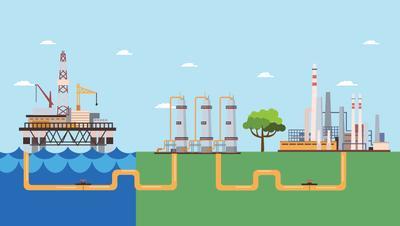
Across the UK, a vast network of pipes, pipelines and associated equipment works around the clock to move gas safely to where it is needed. Large high-pressure pipelines transport gas across the country, while regional and local networks carry it into towns, cities and communities, connecting homes, businesses, hospitals, industry and other essential services.
But the network is much more than pipes underground. It includes compressor stations, pressure-control equipment, valves, storage connections, metering systems and control centres, alongside thousands of people who inspect, maintain, repair and operate this infrastructure. Increasingly, digital technology, data and remote monitoring are also being used to understand how the network is performing and keep it operating safely.
Part of a much bigger energy system
Something that is less widely understood is that the gas and electricity networks are closely connected. Gas is supplied through the network to power stations, where it can be used to generate electricity when the system needs it. This is particularly important when electricity demand is high or when electricity generation from wind and solar is lower. In this way, the physical gas network helps support the resilience of the electricity system too.
An infrastructure network that is evolving
As the UK moves towards a lower-carbon energy system, this extensive infrastructure doesn't simply disappear. The challenge is how parts of it can evolve alongside changing energy needs and potentially transport increasing amounts of lower-carbon gases such as biomethane and hydrogen.
That creates a really interesting engineering challenge for the next generation. The UK's gas networks are enormous physical assets that need to be operated safely today while engineers, technicians and other specialists work out how they may need to change for tomorrow. Careers in the sector can therefore involve everything from maintaining pipelines and responding to emergencies to engineering, asset management, safety, data, digital technology and developing new energy solutions.